
Creating a child care space at home is about more than just setting up a playroom—it’s about building an environment where children feel safe, supported, and encouraged to grow. Whether you’re a parent working from home or simply want a dedicated area for your child, a thoughtfully designed space can make a huge difference in their development and daily happiness. With a few intentional choices, you can create a space that balances safety, comfort, and fun.
Start With Safety as the Foundation
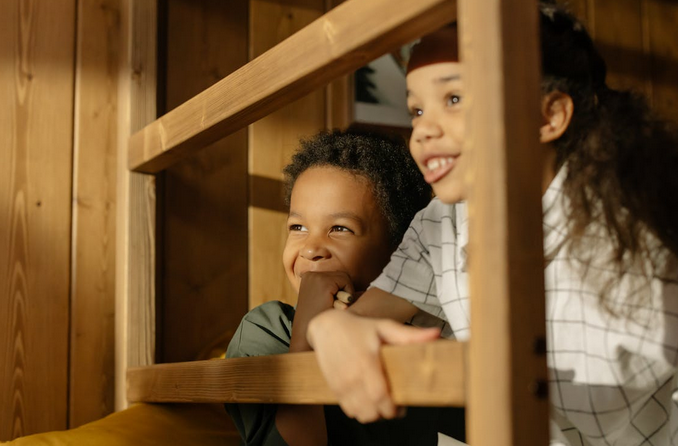
The first step in creating a nurturing child care space is ensuring it’s safe from potential hazards. This entails covering electrical outlets, securing heavy furniture to the wall, and keeping sharp or small items out of reach. Safety gates can be helpful if your space is near stairs or restricted areas. If you’re considering extra support, many families explore professional nanny services to help maintain both safety and structure throughout the day. But still, a secure environment allows children to explore freely without constant worry, which is essential for their confidence and independence.
Choose Comfortable and Child-Friendly Furniture
Furniture plays a big role in how a child experiences their space. Opt for soft, rounded edges and materials that are easy to clean. Low shelves and child-sized chairs empower kids to access their toys and books independently, promoting autonomy. Comfortable rugs, cushions, and cozy corners can also make the space feel inviting and warm. The goal is to create an area that feels like it belongs to them, where they can relax, play, and learn comfortably.
Encourage Learning Through Playful Decor
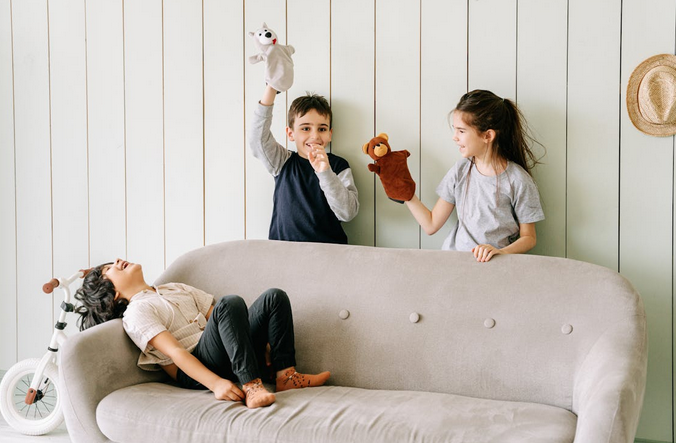
A nurturing space should also inspire curiosity and creativity. Include a variety of age-appropriate toys, books, and activities that support different types of learning. Rotating toys occasionally can keep the environment fresh and exciting without overwhelming your child. Educational materials like puzzles, art supplies, and building blocks help develop cognitive and motor skills while keeping playtime engaging and meaningful.
Create a Calm and Organized Environment
Children thrive in spaces that feel predictable and orderly. Keeping the child care area organized with labeled bins or baskets makes it easier for kids to understand where things belong and helps teach responsibility. Soft lighting and calming colors can also contribute to a peaceful atmosphere, especially for younger children who may become overstimulated easily. A tidy, well-structured space helps reduce stress and encourages focus during play and learning.
Incorporate Items That Support Emotional Comfort and Routine
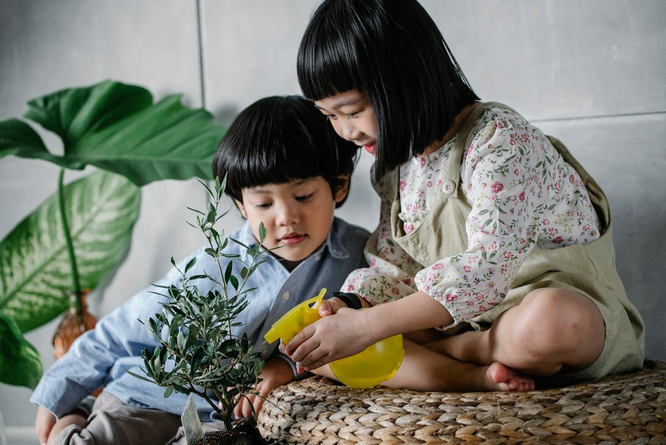
Beyond physical safety, emotional well-being is just as important. Including familiar items like favorite toys, family photos, or a beloved blanket can provide a sense of security. Establishing routines within the space—such as designated times for play, reading, and rest—helps children feel grounded and understand what to expect throughout the day. Consistency builds trust and makes the environment feel stable and nurturing.
Make Comfortable Space for Rest and Quiet Time
Children need downtime just as much as they need play. Setting up a quiet corner with soft pillows, blankets, or even a small tent can give them a place to relax and recharge. This area can also be used for reading or calming activities, helping children learn to self-soothe and manage their energy levels. A well-balanced space supports both active play and restful moments.
Creating a safe and nurturing child care space at home doesn’t require a complete home makeover—it’s about thoughtful choices that prioritize your child’s well-being. By focusing on safety, comfort, organization, and emotional support, you can design a space where your child feels secure and inspired every day. With the right environment, even simple moments at home can become meaningful opportunities for growth and connection.